Camper Waterproofing — Roof, Seams, and Storage Bays Sealed as One
Alasta Seal is a flexible polyurea membrane that goes over the whole camper — roof deck, seam lines, vent flanges, and the tops of your storage bays — as one continuous sheet with nothing to caulk. Prepped with Super Orange Cleaner and locked down with 7001 Primer, it stops the leak before there is a leak.
Get a Camper Waterproofing QuoteWhy Campers Leak — and What Actually Fixes It
Caulk Is a Consumable. A Membrane Is Not.
Every factory camper is sealed with lap sealant that the manufacturer expects you to inspect twice a year and replace as it cracks. Alasta Seal removes that maintenance item entirely — the seam, the flange, and the panel are all under one continuous polyurea sheet with no joint to open up.
It Moves With the Camper
A camper on the highway twists constantly. Sidewalls rack, the roof deck flexes over every expansion joint, and rigid coatings crack at the exact corners that need to stay tight. Alasta Seal carries 300–400% elongation, so it stretches through that movement and returns.
Whole Unit, Not Just the Roof
Water gets in over the roof edge, but it also comes through the tops of storage bay doors, the marker light gaskets, and the seam where the sidewall meets the front cap. We spec the whole envelope, not the one panel that happens to be leaking today.
Ready Before You Store It
Tack-free in seconds and back outside the same day. Book it at the end of the season, get the unit sealed, and put it away knowing that four months of snow load and freeze-thaw is not working on an open seam.
Every Place Water Finds a Way In
Truck campers, pop-ups, teardrops, and towables — these are the details we seal on a whole-unit camper waterproofing job.
- Roof decks & edge trim
- Front & rear cap seams
- Vent and fan flanges
- Skylight & roof hatch curbs
- Storage bay tops & door frames
- Sidewall-to-roof joints
- AC and antenna penetrations
- Marker light & wiring pass-throughs
- Slide-out toppers & rails
- Underbelly and frame rails
The Three-Product Camper Waterproofing System
Clean it, prime it, seal it. Each product has one job and none of them are optional.
The Damage Happens Long Before You See a Stain
By the time there is a brown ring on the ceiling panel, the water has been in the wall for a season or more. Camper construction is a laminate sandwich — an exterior skin, a layer of foam, a wood or aluminum frame, and an interior panel. Water that gets past the outer skin does not run out. It sits in the foam, wicks along the frame, and rots the luan from the inside where nothing is visible.
That is why leak repair on a camper so often costs more than the camper is worth. You are not paying to stop the water. You are paying to open up the wall, replace the framing, and re-laminate the panel.
Waterproofing is the cheap half of this problem. Sealing the envelope while it is still sound costs a fraction of what delamination repair costs, and a seamless polyurea membrane means there is no annual sealant inspection to forget about.
Alasta Seal by the Numbers
A Realistic Whole-Camper Scope
Here is what a full camper waterproofing job actually covers, in the order we do it:
- Wash and degrease the entire top surface with Super Orange Cleaner, twice on a unit that has never been cleaned properly. Rinse and let it dry completely.
- Cut out failed lap sealant around vents, fans, skylights, and the AC shroud. Anything cracked, chalky, or lifting comes off — the membrane needs to land on the flange, not on old caulk.
- Prime with 7001 across the deck and heavier at every flange, seam, and termination edge.
- Spray Alasta Seal — roof deck first, then detail passes at flanges, then the edge trim wrapped down over the drip rail.
- Storage bay tops and door frames get the same treatment if the unit has them. This is where more water enters than most owners realize.
One day in, one day out on most single-axle and truck-camper units. Larger towables run longer depending on roof area and how much sealant has to be removed first.
Camper and RV Work
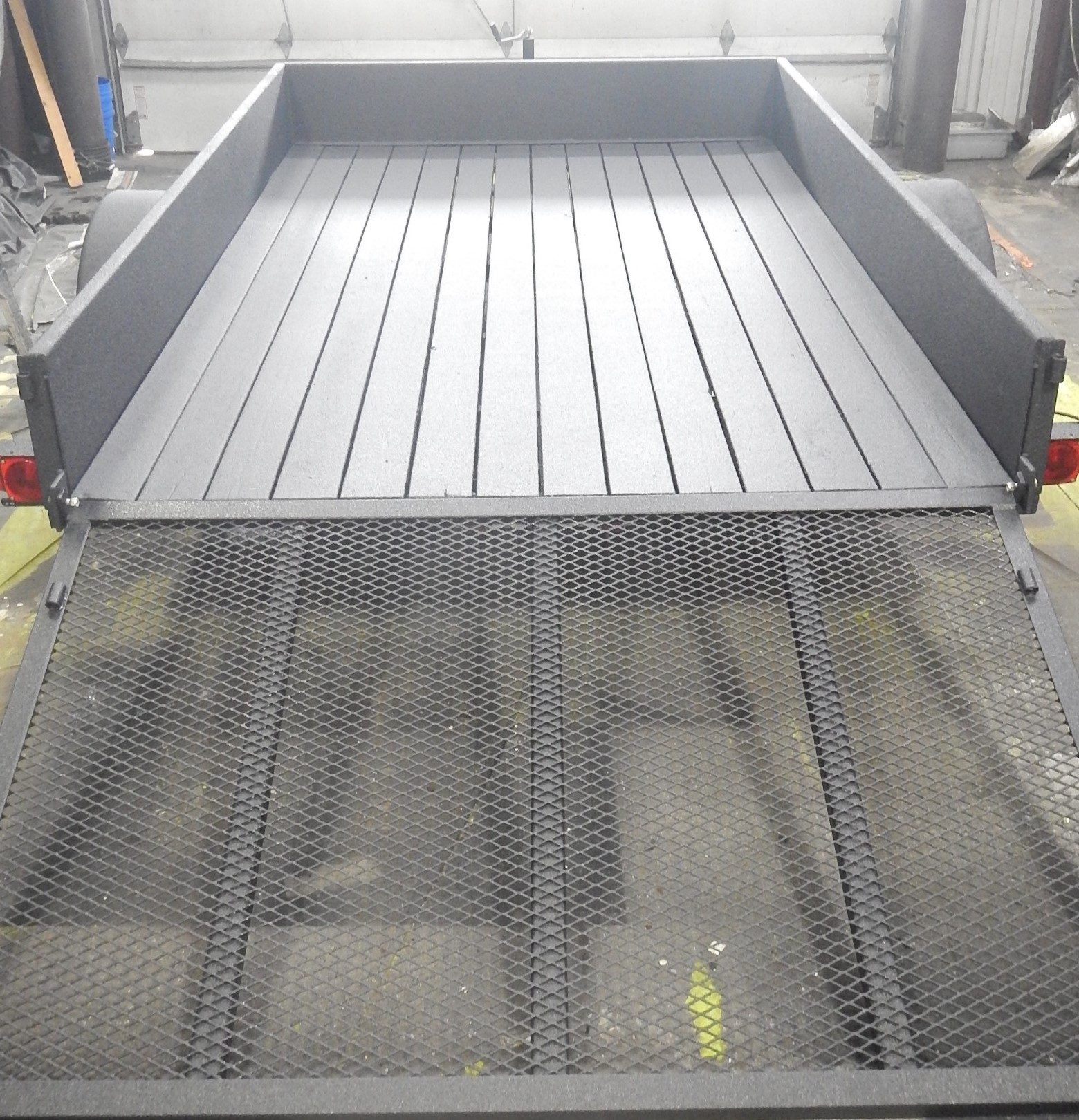
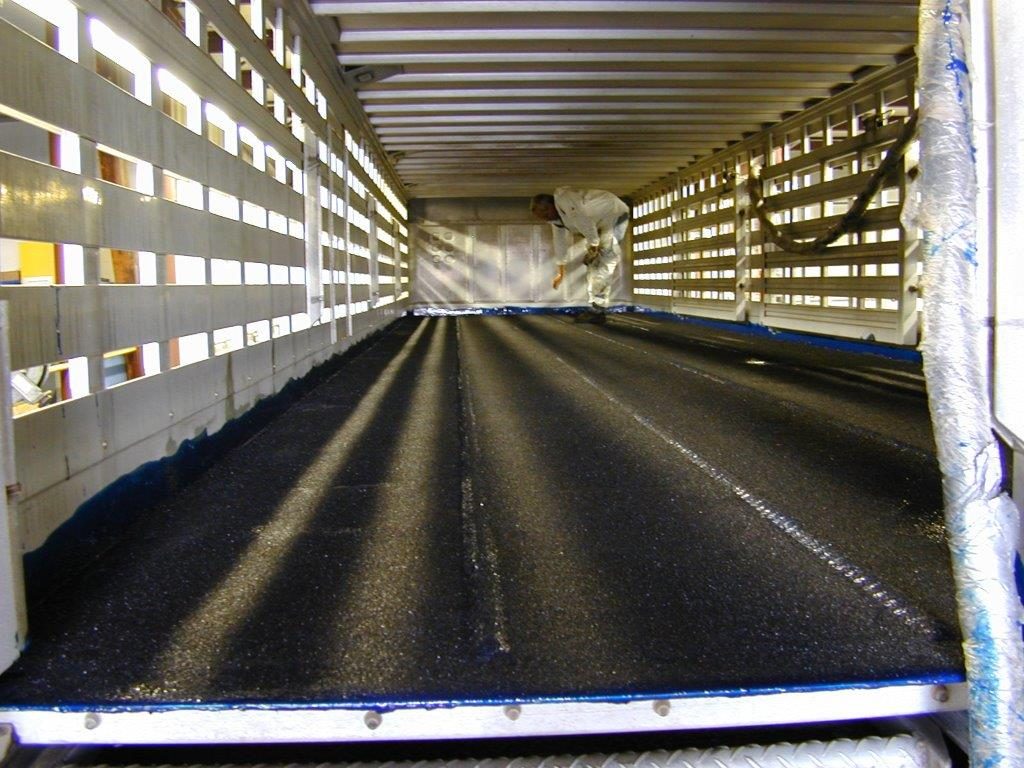
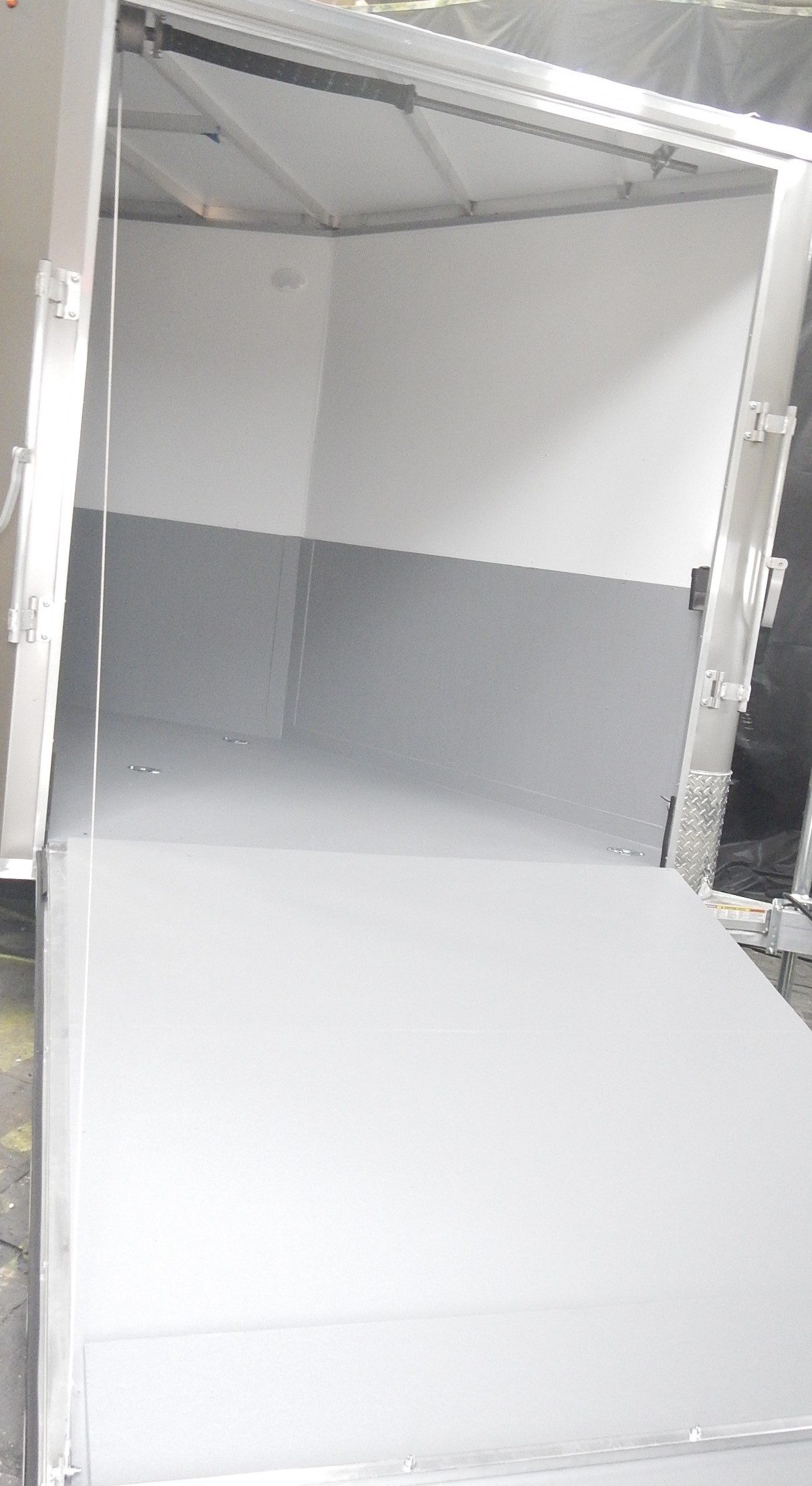
Tell Us the Make, the Roof Type, and the Length
Send us the unit and what the roof is made of — EPDM, TPO, fiberglass, or aluminum — and we will come back with a material list, a mil spec, and coverage math for your square footage. Dealers and mobile RV techs: mention your volume and we will include wholesale pricing.
Request a Spec & Material ListGet a Camper Waterproofing Quote
Tell us about your project and we will follow up with product details, technical data sheets, and pricing.
Frequently Asked Questions
Frequently Asked Questions
What owners, dealers, and mobile techs ask us most.
Before You Book the Job
My camper is not leaking. Is waterproofing worth doing now?
That is exactly the right time. Sealing a sound envelope is a coating job. Sealing one that has already let water into the laminate is a reconstruction job with a coating at the end of it. The cost difference is usually an order of magnitude, and the deciding factor is whether the wood in the wall is still dry.
How do I know what my roof is made of?
Press a fingernail into it. Black and slightly soft with a chalky residue on your finger is EPDM. White, firm, and slick is TPO. Hard, glossy, and one continuous piece with no seams is fiberglass. Ribbed and metallic is aluminum. All four take the system — the prep differs, not the product.
Can this go over a roof I already coated with something else?
If the old coating is soundly bonded, yes — clean it, scuff it, and prime with 7001. Pick at an edge with a putty knife first. If it lifts in sheets or comes off with the pressure washer, it has to be removed. A membrane is only as strong as its bond to whatever is underneath it.
How long does a whole-camper job take?
Most truck campers, pop-ups, and single-axle towables are a one-day spray after prep. Prep — cleaning and cutting out failed sealant — is often the longer half. Larger towables and fifth wheels run two days. The unit is tack-free within a minute of the last pass and can go back outside the same afternoon.
Weather, Storage & Long-Term Performance
Will it handle winter storage and snow load?
Yes. Service range runs to −40°F, so the membrane stays flexible rather than going glassy and cracking when the deck flexes under snow load or during a freeze-thaw cycle. This is where rigid acrylic and asphaltic roof coatings most commonly fail on stored units.
Does standing water hurt it?
No. It is a fully adhered, non-breathable membrane — water on top of it has nowhere to go. Ponding behind an AC shroud or in a slight roof sag is a cosmetic issue and a dirt issue, not a leak risk.
Will it fade or chalk in the sun?
Aromatic polyurea chalks and dulls with long UV exposure. It is cosmetic — the waterproofing and physical properties are unaffected. If appearance matters on a show unit or a dealer lot, ask us about an aliphatic topcoat over the Alasta Seal.
Do I still have to inspect and re-caulk every spring?
That is the point of the system. There are no sealant joints left in the coated area to inspect. We do still recommend an annual walk-around for physical damage — a branch strike, a new accessory hole drilled by a previous installer — but the twice-a-year caulk maintenance goes away.
Materials, Equipment & Cost
Can I spray this myself?
Alasta Seal is a plural-component material and needs a proportioner with a heated hose — Graco Reactor E-20 or E-30 class or equivalent. It is not a roll-on product. If you do not have a rig, we can point you to an applicator or talk to you about what it takes to add the capability.
How much material does a camper take?
At 100% solids, one gallon yields 1,604 mil-sq-ft — about 32 sq ft at a 50-mil spec. A 24-ft towable with roughly 200 sq ft of roof runs 7–8 gallons for the deck, plus material for detail build-up at flanges and edges. Send us the length and we will do the math.
Do I really need all three products?
Yes, and skipping one is the most common cause of failure we get called about. Super Orange Cleaner removes the wax and plasticizer that block adhesion. 7001 bonds across the different materials on a camper roof and stops bleed-through. Alasta Seal is the membrane. Each one is doing something the other two cannot.
Do you sell to individuals or only to shops?
Both. We ship nationwide to owners, shops, dealers, and mobile RV techs. If you are buying for a service department or running units regularly, mention your region and volume and we will include wholesale pricing and applicator support details.
Still Have a Question?
Ask us. You will get an answer from someone who has sprayed campers, not from a script.
Ask a Question